
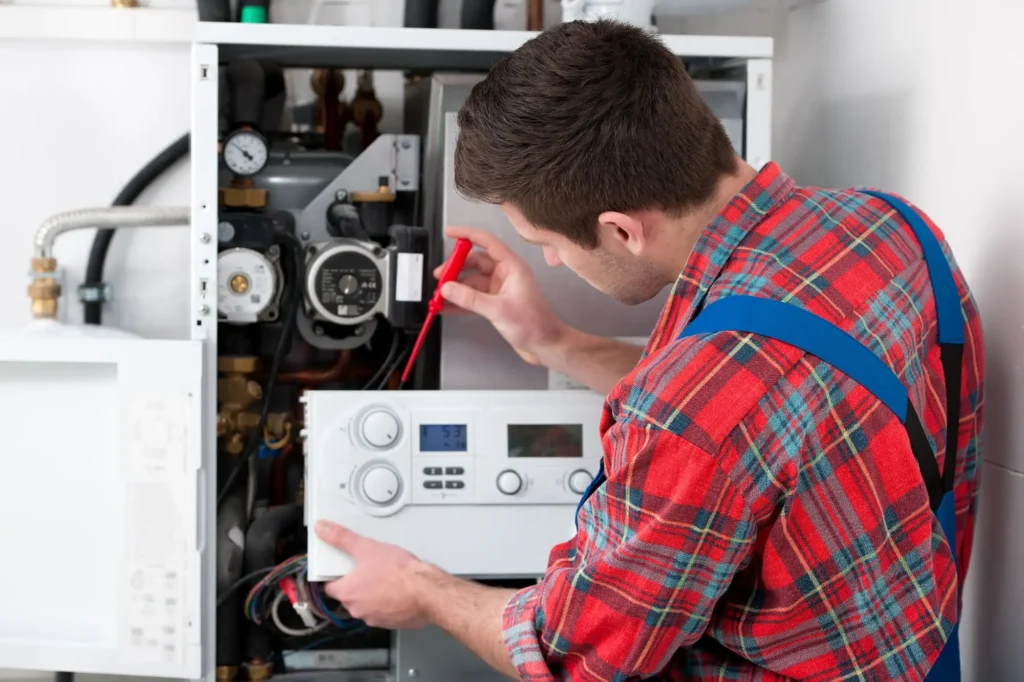
Getting a new furnace installed in your home is an exciting step toward improved comfort, energy efficiency, and peace of mind during those chilly months. While professional technicians will handle all the technical aspects of the installation, there are several thoughtful preparations you can make to ensure the process goes smoothly and efficiently. Taking time to prepare your home beforehand not only helps the installation team work more effectively but also protects your belongings and minimizes any inconvenience to your daily routine.
Understanding what to expect and how to prepare can transform what might seem like a disruptive process into a well-orchestrated home improvement project. The key is knowing which areas of your home will be affected, what items need attention, and how to create the ideal environment for professional installation work.
Understanding the Installation Process
Before diving into preparation steps, it’s helpful to understand what a furnace installation typically involves. Professional technicians will need access to various areas of your home, including the current furnace location, electrical panels, gas lines, and ductwork connections. The process usually requires moving equipment, removing the old unit, and carefully positioning and connecting the new system.
The installation team will bring specialized tools and equipment, and they’ll need clear pathways to move safely and efficiently throughout your home. Understanding this scope helps you visualize which areas require attention and preparation.
Most furnace installations can be completed within a day, though the exact timeframe depends on various factors, including the complexity of your home’s heating system, any necessary modifications to existing infrastructure, and the specific type of furnace being installed. Planning your day around the installation helps ensure you’re available for any questions the technicians might have while giving you flexibility to handle other responsibilities.
Clearing and Organizing Your Space
Creating Clear Pathways
One of the most important preparations involves creating clear, safe pathways throughout your home. Installation teams typically need to move heavy equipment from their vehicle to your furnace location, which might be in a basement, utility room, garage, or other designated area. Walk through these pathways yourself and remove any obstacles that could impede movement or create safety hazards.
Consider the route from your front door or closest access point to the furnace location. Remove furniture, decorative items, plants, and any other objects that could get in the way. Pay special attention to narrow hallways, doorways, and staircases where maneuvering large equipment requires extra space.
Furnace Area Preparation
The immediate area around your current furnace requires special attention. Over time, homeowners often use the space around their heating system for storage, gradually accumulating boxes, seasonal items, cleaning supplies, and various household goods. This is the perfect opportunity to declutter and organize this space.
Remove all stored items from the furnace area and find alternative storage locations for them. This includes anything on shelves, in corners, or along walls near the heating system. The installation team will need ample space to work safely and access all sides of both the old and new equipment.
Clean the area thoroughly once everything is removed. Dust and debris that have accumulated over time can interfere with the installation process and potentially affect the new system’s performance. A clean workspace also demonstrates your commitment to maintaining your new furnace properly.
Protecting Your Belongings
While professional installation teams take great care to protect your home, it’s wise to take additional precautions with valuable or delicate items. Remove any artwork, mirrors, or decorative objects from the walls along the installation pathway. These items can be affected by vibrations or accidental contact during the equipment moving process.
If you have valuable furniture or electronics in areas where work will be performed, consider covering them with protective materials or temporarily relocating them to other rooms. This extra step provides peace of mind and ensures your belongings remain in perfect condition throughout the installation.
Preparing Utilities and Access Points
Electrical Considerations
Your new furnace installation will require access to your home’s electrical system. Locate your main electrical panel and ensure it’s easily accessible. Remove any stored items from around the electrical panel area, as technicians may need to install new circuits or make connections during the installation process.
Make sure you know the location of your main electrical shutoff switch. While the installation team will handle all electrical work, being familiar with your home’s electrical system helps you communicate effectively with the technicians and understand the work being performed.
Gas Line Access
For gas furnaces, technicians will need access to existing gas lines and connections. Familiarize yourself with the location of your gas meter and main gas shutoff valve. While you should never attempt to work with gas lines yourself, knowing these locations helps you provide clear information to the installation team.
Ensure the path to your gas meter is clear and accessible. Remove any garden tools, outdoor furniture, or landscaping materials that might obstruct access to gas connections outside your home.
Ventilation and Exhaust Considerations
Modern furnaces often require specific ventilation and exhaust configurations. If your installation involves changes to existing venting systems or the installation of new exhaust components, technicians may need access to various parts of your home’s exterior. Walk around the outside of your home and note any areas where ladder access might be required, ensuring these areas are clear of obstacles.
Home Environment Preparation
Indoor Air Quality
Installation work can stir up dust and debris, so consider the air quality in your home before the work begins. If you have family members with respiratory sensitivities or allergies, you might want to plan for them to spend time away from the immediate work area during installation.
Open windows in areas away from the work zone to promote good air circulation throughout your home. This helps clear any dust or odors that might arise during the installation process while maintaining comfortable conditions for both your family and the installation team.
Temperature Management
Since your old heating system will be disconnected during installation, plan for temporary temperature management in your home. Depending on the weather and the time of year, you might want to adjust your clothing choices or have alternative heating sources available for comfort.
Consider the timing of your installation with seasonal weather patterns. While professional teams can work in various conditions, scheduling installation during milder weather periods can make the process more comfortable for everyone involved.
Pet and Family Considerations
Installation work involves unfamiliar people, tools, and sounds that can be stressful for pets. Plan ahead for your furry family members by arranging alternative spaces where they can remain comfortable and safe during the installation process. This might mean setting up a cozy area in a quiet room away from the work zone or arranging for them to spend the day with friends or family.
For families with young children, consider how the installation timeline fits with school schedules, nap times, and other daily routines. Having a plan helps minimize disruptions and ensures children remain safe around the work area.
Documentation and Communication Preparation
Gathering Important Information
Before installation day arrives, gather any relevant documentation about your current heating system, your home’s heating requirements, and your new furnace specifications. This might include warranty information, previous service records, and any specific installation requirements discussed with your heating contractor.
Having this information readily available helps ensure clear communication with the installation team and can expedite the installation process if questions arise about your home’s specific heating needs.
Preparing Questions and Concerns
Take time to write down any questions you have about your new furnace, its operation, maintenance requirements, or warranty coverage. Installation day provides an excellent opportunity to learn from experienced professionals who can provide valuable insights about your new heating system.
Consider asking about recommended maintenance schedules, filter replacement procedures, and any operational features that might help you get the most from your new furnace. Professional technicians appreciate engaged homeowners who are interested in properly maintaining their heating systems.
Seasonal Considerations and Timing
Choosing the Right Time of Year
The timing of your furnace installation can significantly impact both the installation process and your overall experience. Many homeowners find that scheduling installation during milder weather periods provides the most comfortable conditions for both the family and the installation team. Spring and fall often present ideal windows when heating demands are lower, giving you flexibility in timing while ensuring your new system is ready for peak usage seasons.
Planning ahead during off-peak seasons can also provide advantages in terms of scheduling flexibility and potential cost considerations. HVAC professionals often have more availability during these periods, allowing for more convenient scheduling that aligns with your family’s routine and commitments.
Weather Contingency Planning
Even with careful planning, weather conditions can impact installation schedules. Extreme temperatures, severe storms, or other weather events might necessitate rescheduling for safety reasons or to ensure optimal installation conditions. Having a flexible mindset and backup plans helps you adapt to these situations while maintaining realistic expectations about the installation timeline.
Consider how different weather conditions might affect your home’s comfort during the installation period. Having alternative heating or cooling strategies available ensures your family remains comfortable regardless of external conditions or temporary system downtime.
Coordinating With Neighbors and Community
Informing Neighbors
Professional furnace installation occasionally involves activities that might affect your immediate neighbors. Installation trucks, equipment deliveries, and temporary utility work can impact parking availability or create minor disruptions in your neighborhood. Taking a moment to inform close neighbors about your installation schedule demonstrates courtesy and helps maintain positive community relationships.
If your installation requires any temporary utility shutoffs that might affect shared services or infrastructure, coordinating with relevant neighbors ensures everyone is properly informed and can plan accordingly. This proactive communication often prevents misunderstandings and demonstrates considerate homeownership.
Managing Delivery Logistics
New furnace installations typically involve the delivery of substantial equipment to your home. Coordinating with delivery schedules ensures you’re available to direct drivers to appropriate unloading areas and provide access to your property. Consider how large delivery vehicles might navigate your street and driveway, and communicate any special instructions or limitations to the installation company ahead of time.
Planning for equipment delivery also involves ensuring adequate space for temporary storage if the installation doesn’t occur immediately upon delivery. Professional installation companies typically coordinate these logistics carefully, but understanding the process helps you prepare appropriately and address any site-specific considerations unique to your property.
Post-Installation Preparation Mindset
Learning Opportunities
Your new furnace installation presents valuable learning opportunities about your home’s heating system. Preparing yourself to absorb information during the installation process helps you become a more knowledgeable and capable homeowner. Consider researching basic heating system concepts beforehand so you can engage meaningfully with the installation team and understand the explanations they provide.
Think about the long-term relationship you’ll have with your new heating system. Understanding its basic operation, maintenance requirements, and efficiency features helps you maximize the return on your investment while ensuring optimal performance throughout the system’s lifespan.
Establishing Maintenance Habits
Successful furnace installation preparation extends beyond the installation day itself. Consider how the installation fits into your broader home maintenance routine and seasonal preparation habits. Understanding your new system’s maintenance requirements from the beginning helps you establish good habits that preserve efficiency and extend equipment life.
Many homeowners find that furnace installation provides an excellent opportunity to reassess and improve their overall home maintenance approach. This might include establishing regular filter replacement schedules, seasonal system checkups, and annual professional maintenance appointments that keep your heating system operating at peak performance.
Final Preparations and Day-of Considerations
Morning of Installation
On installation day, start by ensuring all your preparation work is complete. Double-check that pathways are clear, the work area is accessible, and any protective measures are in place. Have your documentation and questions ready, and make sure you’re available to communicate with the installation team throughout the process.
Consider starting the day by taking photos of your current setup for your records. This documentation can be helpful for future reference and provides a nice before-and-after comparison once your new system is installed.
Supporting the Installation Process
While the installation team will handle all technical work, you can support the process by being available for questions, providing information about your home’s specific characteristics, and ensuring the work environment remains safe and conducive to professional installation work.
Stay flexible with your daily schedule, as installation work sometimes encounters unexpected situations that require additional time or modifications to the original plan. Professional installation teams work diligently to complete projects efficiently while ensuring everything is done correctly and safely.
Preparing your home for a new furnace installation is an investment in the success of your heating system upgrade. The time and effort you put into preparation pay dividends in smoother installation, better protection of your belongings, and a more positive experience overall. From clearing pathways and organizing spaces to preparing utility access and considering family needs, each preparation step contributes to a professional installation process.
Ready to take the next step toward improved home comfort? Contact our team today to discuss your furnace installation needs and schedule your professional consultation.
